

Unlocking Strategic Insights for Success
A SWOT analysis stands as a cornerstone of strategic planning, guiding businesses, organisations, and individuals alike in navigating the complex landscape of decision-making. By examining Strengths, Weaknesses, Opportunities, and Threats, this analytical tool offers a structured approach to evaluating internal and external factors that can impact the achievement of objectives. The benefits of employing a SWOT analysis are numerous and far-reaching, enabling clarity, focus, and resilience in a constantly changing environment.
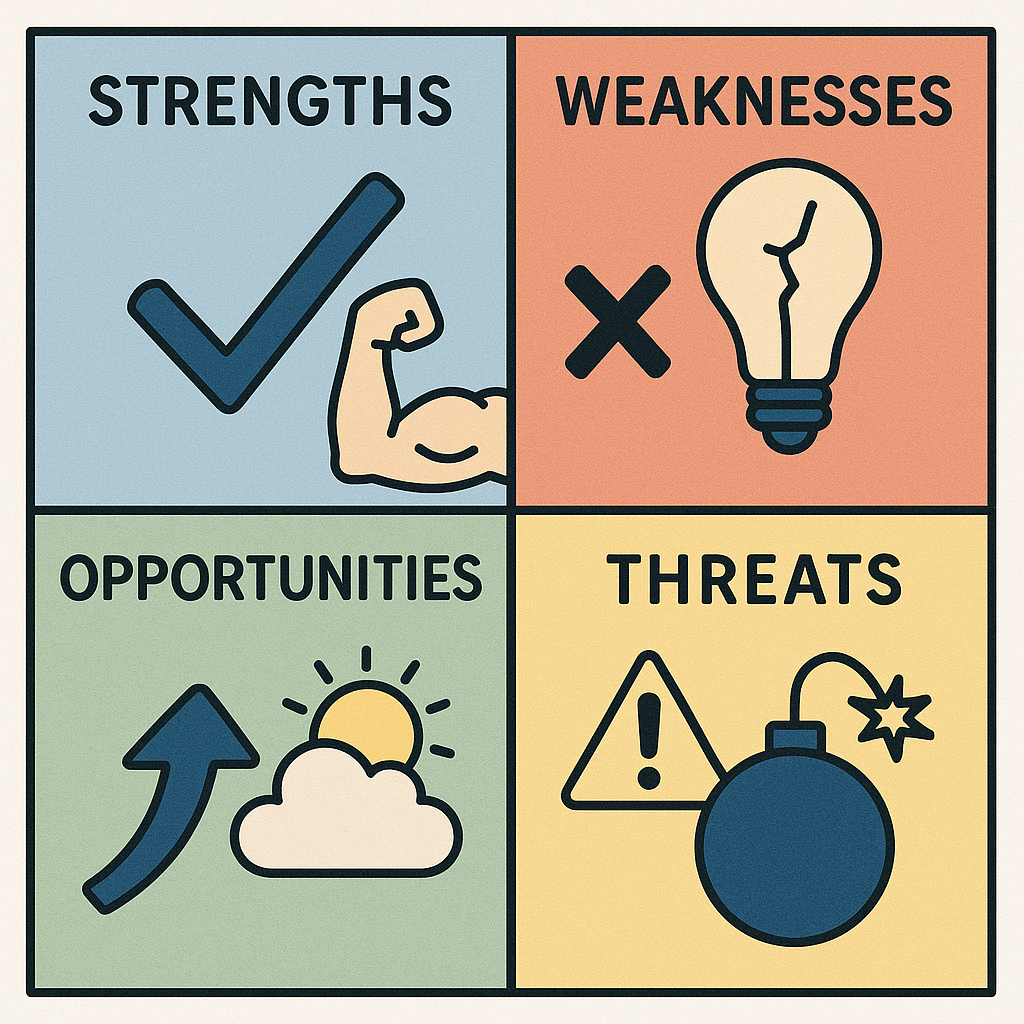
Understanding the SWOT Framework
Before exploring its benefits in depth, it is essential to understand what a SWOT analysis entails. The framework consists of four key components:
- Strengths: Internal attributes and resources that support a successful outcome.
- Weaknesses: Internal limitations or challenges that could hinder progress.
- Opportunities: External factors or trends that an entity can exploit to its advantage.
- Threats: External elements in the environment that could cause trouble or pose obstacles.
Each quadrant of the SWOT analysis encourages a candid assessment of both what is working and what needs attention, as well as a forward-looking evaluation of what the future may hold.
Equally important is the identification of external threats. A SWOT analysis encourages entities to think critically about what could go wrong and to plan accordingly. By recognising potential risks, such as looming competitors, changing regulations, economic downturns, or supply chain disruptions, organisations can develop contingency plans and risk management strategies.
This proactive stance minimises the likelihood of being caught off guard and enhances the ability to respond flexibly to challenges as they arise.
Fostering Collaboration and Communication
The process of conducting a SWOT analysis is often collaborative, drawing input from various stakeholders within an organisation. This inclusive approach fosters open communication and shared understanding. Departments that may not usually interact can share insights, leading to a richer and more nuanced analysis.
Furthermore, when the findings of a SWOT analysis are communicated across an organisation, they create alignment. Everyone, from top leadership to frontline staff, gains a clearer picture of where the organisation stands and what priorities should be pursued.
Supporting Objective Decision-Making
By encouraging a balanced view, considering both positives and negatives, internal and external factors, a SWOT analysis reduces the risk of bias in decision-making. It provides a framework for weighing options objectively, rather than relying on gut feelings or incomplete data.
This objectivity is particularly valuable when making significant choices, such as launching a new product, expanding into unfamiliar territory, or restructuring operations. Leaders can use the insights from a SWOT analysis to justify their decisions and to communicate the rationale to stakeholders.
Facilitating Strategic Planning and Goal Setting
A well-executed SWOT analysis serves as a springboard for strategy formulation. It helps organisations set realistic and achievable goals based on their actual capabilities and the realities of the environment. Ambitious objectives can be pursued where strengths and opportunities align, while caution is exercised in areas where weaknesses and threats intersect.
SWOT analysis also helps prioritise initiatives. Not all opportunities are created equal, and not all threats are equally urgent. The structured approach ensures that resources are allocated where they will have the greatest impact.
Adaptability in a Changing Environment
The business landscape is in a constant state of flux, shaped by technological disruption, globalisation, and shifting consumer behaviours. A SWOT analysis equips organisations with a diagnostic tool that can be revisited regularly. By updating the analysis in response to new developments, organisations maintain agility and adaptability.
This ongoing process ensures that strategies remain relevant and that organisations are able to pivot quickly when circumstances change.

Encouraging Innovation
By revealing untapped strengths and unexplored opportunities, SWOT analysis can be a catalyst for innovation. It prompts organisations to think creatively about how to leverage existing assets in new ways and to challenge assumptions about what is possible.
In particular, the intersection of strengths with new opportunities is fertile ground for developing unique products, services, or approaches that set an organisation apart in the marketplace.
Enabling Continuous Improvement
Finally, the insights gained from a SWOT analysis do not represent a one-time snapshot, but rather a foundation for continuous improvement. By acting on the findings, building on strengths, shoring up weaknesses, pursuing opportunities, and guarding against threats, organisations can embark on a cycle of growth and learning.
Regularly reviewing and updating the analysis ensures that progress is tracked and that strategies are refined as needed.
I have extensive experience in using tool such as SWOT, not just in the workplace but to aid personal growth. I invite you to take that crucial first step toward positive change by booking a complimentary Zoom consultation. This initial meeting gives me the opportunity to understand your unique needs, challenges, and aspirations, allowing us to create a tailored coaching plan that addresses your specific circumstances. Whether you’re seeking to improve your performance, enhance your mindfulness practice, or overcome employment hurdles, I’m committed to supporting you throughout your journey. Send an email to phil.adderley.coaching@gmail.com today to schedule your free session and discover how we can work together toward meaningful transformation and lasting success.


 Phil Adderley Coaching
Leave a comment