
How Yoga Can Enhance Marathon Training
Strength, Flexibility, and Mental Focus
This week I have had a strong week with 2 runs at 10 miles plus, and an overall distance of 31 miles for the week.
For most of us in the UK this week it has been hot and humid conditions which can take its toll when running long distances so keeping hydrated has been key and will continue to do so for the remainder of the summer months leading up to marathon day.
In this week’s topic, I am looking at Yoga. Most people who know me with know Yoga will not have been something I would ever have considered. For the last few years, I have managed an Achilles injury and more recently foot trouble, possibly linked to the Achilles. After several rounds of physio and an MRI scan, the problem has been identified, and a plan is in place to help improve the recovery and strengthening. This, of course included doing Yoga! This was suggested by a consultant, who just happened to be an ultra-marathon runner, so you would like to think he knows his stuff.
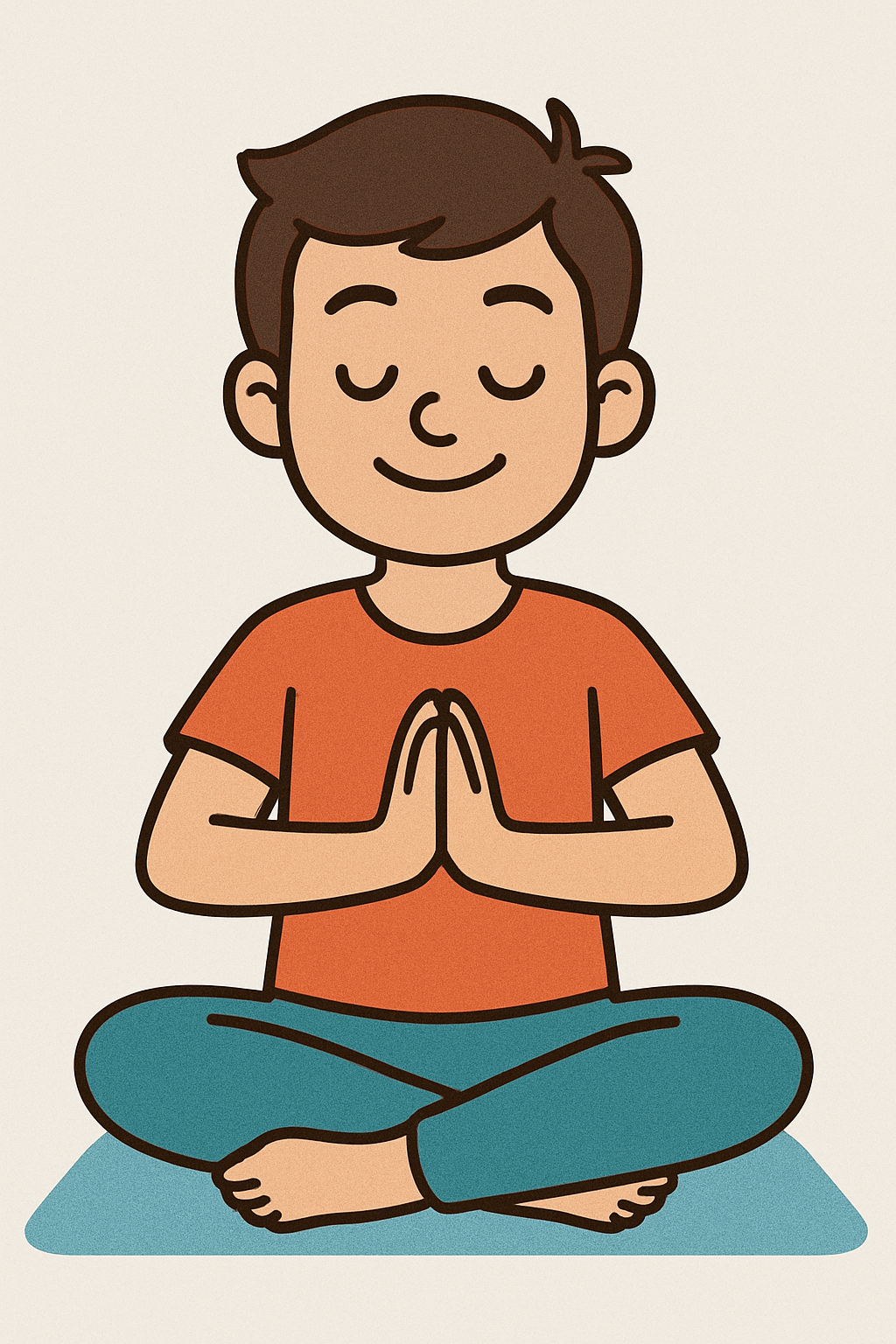
YOGA
Training for a marathon requires a combination of physical endurance, strength, and mental resilience. While the cornerstone of marathon training is undoubtedly running and cardiovascular conditioning, incorporating yoga into your routine can provide transformative benefits that complement traditional training methods. From improving flexibility to fostering mental focus, yoga serves as a powerful tool for those preparing for the physical and psychological demands of running 26.2 miles.
Improving Flexibility and Preventing Injuries
One of the most common challenges faced by marathon runners is the risk of injury caused by repetitive stress and muscle tightness. Yoga places a strong emphasis on stretching and flexibility, which can help alleviate tension in major muscle groups such as the calves, hamstrings, quadriceps, and hip flexors.
- Hip Openers: Poses like Pigeon Pose and Warrior II are particularly beneficial for runners, as they release tightness in the hips and help improve the range of motion.
- Hamstring Stretches: Forward folds and Downward Dog target the hamstrings, reducing the risk of strains and enhancing stride efficiency.
- Core Strength: Yoga poses often engage the core, which is essential for stabilising the body during long runs and reducing the likelihood of injuries.
By regularly practising yoga, runners can maintain supple muscles and avoid imbalances that could lead to chronic injuries like shin splints, IT band syndrome, or plantar fasciitis.
Building Strength for Endurance
Although yoga is often associated with flexibility, it also develops muscular strength, which is vital for sustaining endurance during a marathon. Many yoga poses require holding the body in challenging positions, engaging multiple muscle groups simultaneously.
- Strengthening the Lower Body: Poses such as Chair Pose and Warrior III focus on building strength in the thighs, calves, and glutes, which are critical for running stability and propulsion.
- Engaging the Upper Body: Plank variations and Downward Dog strengthen the shoulders and arms, helping runners maintain proper posture throughout long distances.
- Core Activation: Balancing poses such as Boat Pose and Side Plank reinforce the abdominal muscles, which play a key role in stabilising the spine and pelvis during running.
By incorporating yoga into their routine, runners can build a foundation of strength that supports their marathon training without adding undue strain to their bodies.
Enhancing Breathing and Lung Capacity
Proper breathing is fundamental for any endurance activity, and yoga’s emphasis on pranayama (breath control) can help runners optimise their breathing techniques. Controlled breathing improves oxygen intake, increases lung capacity, and helps runners maintain a steady pace during long runs.
- Diaphragmatic Breathing: Techniques such as Ujjayi breathing train runners to breathe deeply and consistently, reducing fatigue.
- Synchronising Breath with Movement: Yoga encourages mindfulness in breath coordination, which can help runners regulate their pace and conserve energy.
- Managing Breath Under Stress: Pranayama practices teach athletes how to stay calm and focused when their heart rate rises, a skill invaluable during the most challenging parts of a marathon.
Runners who incorporate breath-focused yoga practices often find that they can sustain energy and endurance for longer periods.
Promoting Recovery and Relaxation
Recovery is an essential element of marathon training, and yoga provides an effective way to rejuvenate both the body and mind after long runs or intensive workouts. Restorative yoga practices help reduce muscle soreness, promote circulation, and facilitate the repair of tissue damage.
- Gentle Stretching: Poses like Child’s Pose and Reclined Twist encourage relaxation while reducing stiffness.
- Reducing Inflammation: Yoga promotes blood flow to tired muscles, accelerating recovery and mitigating inflammation.
- Post-Workout Recovery: Restorative yoga sessions help create a balance between exertion and relaxation, ensuring the body remains in peak condition.
Additionally, yoga encourages mindfulness and stress reduction, which are critical for maintaining motivation and focus during the demanding training period.
Boosting Mental Focus and Resilience
Running a marathon is as much a mental challenge as it is a physical one. The discipline required to sustain effort over several hours can be daunting, and yoga equips runners with the mental tools to persevere.
- Mindfulness Meditation: Yoga fosters awareness and presence, helping runners stay focussed during training and on race day.
- Overcoming Mental Barriers: Yoga teaches resilience and the ability to push through discomfort, which is crucial during the latter stages of a marathon.
- Visualisation Techniques: Many yoga practices incorporate visualisation, enabling runners to imagine themselves succeeding and crossing the finish line.
The combination of clarity and emotional stability gained through yoga can make the difference between finishing a race and succumbing to self-doubt.
Integrating Yoga into Marathon Training
To fully reap the benefits of yoga while preparing for a marathon, it’s important to incorporate it thoughtfully into your training plan.
- Begin with Short Sessions: Start with 20–30-minute sessions a few times a week to complement running workouts.
- Focus on Recovery Days: Reserve restorative yoga for days when your body needs rest and healing.
- Balance Intensity: Alternate between dynamic yoga for strength and flexibility and gentle yoga for relaxation.
Runners should view yoga as a supplementary practice that enhances overall performance rather than competing with the time devoted to running.
Book Your Free Consultation With Me

This initial meeting gives me the opportunity to understand your unique needs, challenges, and aspirations, allowing us to create a tailored coaching plan that addresses your specific circumstances.
Conclusion
Yoga is an invaluable addition to any marathon training regimen. It improves flexibility, builds strength, enhances breathing, supports recovery, and fosters mental resilience. By weaving yoga seamlessly into their routine, marathon runners can prepare their bodies and minds for the extraordinary challenge ahead, arriving at the starting line equipped for success. Whether you are a seasoned athlete or a first-time participant, yoga can help elevate your training, ensuring that your marathon journey is both transformative and rewarding.
Coaching Support Available
At Phil Adderley Coaching, I help individuals not only achieve their goals but also overcome significant obstacles and rediscover themselves through personalised coaching that addresses both mindfulness practices and employment challenges. My approach recognises that personalised growth, whether that be in career progress, taking a break from alcohol, requires holistic support, developing physical strength alongside mental resilience, rebuilding professional confidence, and establishing healthy routines that sustain long-term wellbeing.
I invite you to take that crucial first step toward positive change by booking a complimentary Zoom consultation. This initial meeting gives me the opportunity to understand your unique needs, challenges, and aspirations, allowing us to create a tailored coaching plan that addresses your specific circumstances.
I’m committed to supporting you throughout your journey. Send an email to phil.adderley.coaching@gmail.com today to schedule your free session and discover how we can work together toward meaningful transformation and lasting success.
 Phil Adderley Coaching
Leave a comment