
OK, this is not a serious question, but why can’t it be?
We have recently had marathons in London, Manchester, Paris, Amsterdam to name a few, so I am guessing there are many people who are feeling inspired or would like to experience the feeling of completing at such a great event.
So, where do you start?
You may not have been a runner previously. I know from when I talk to people about running, they claim that they don’t have the time, or they find it boring, which I struggle to agree with.
That said, I’m pretty sure deep down there is a level of envy when they see the euphoria of someone crossing the finishing.
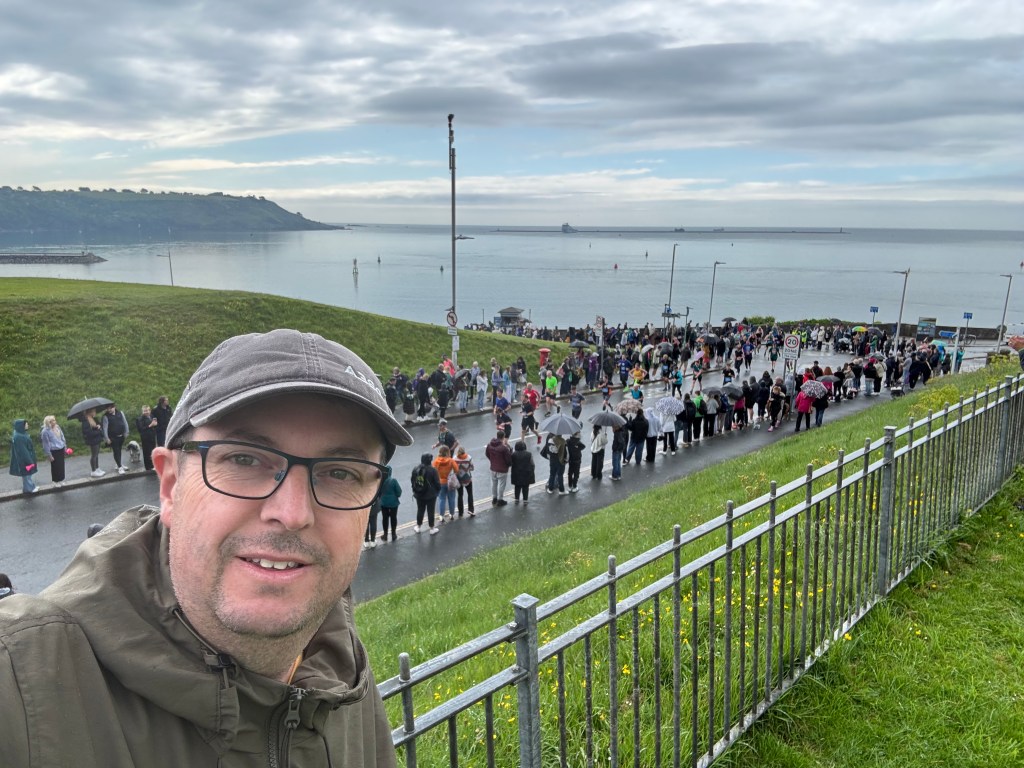
So in this week’s newsletter I want to focus on how you can overcome the obstacles which are stopping you from achieving something which could give you immense pride.
So how do you overcome some of the obstacles or even excuses which are stopping you?
Are you relying on willpower alone? It is a known fact that willpower will fade, so what you put in place which will ensure you are driving forward.
The answer that you need to have a GOAL, and then create the motivation which will drive you towards that goal.
Applying coaching principles can help you, and this isn’t your coaching based on sporting abilities, it is something which can give you the superpower to overcome challenges which previously may have been too overwhelming.
Coaching which is based on Positive Psychology can significantly enhance anyone’s ability to train for an event such as a marathon.
Race-day performance by focusing on strengths, motivation, resilience, and overall mental well-being all come under the science of Positive Psychology. Here’s how you can apply key concepts from positive psychology to your marathon journey:
1. Set Meaningful Goals (Purpose & Motivation)
- Why it matters: Goals aligned with your values increase intrinsic motivation.
- Application: Instead of just aiming to “finish,” tie the goal to something personal – like running for a cause or to prove resilience.
2. Practice Gratitude
- Why it matters: Gratitude boosts mood and motivation.
- Application: Keep a training journal where you note what you’re thankful for – e.g., strong legs, good weather, supportive friends.
3. Use Strengths-Based Training
- Why it matters: Leveraging your psychological strengths (e.g., perseverance, self-regulation) improves performance and enjoyment.
- Application: Identify your top character strengths (via tools like the VIA Survey) and plan runs that highlight or reinforce them.
4. Cultivate Optimism
- Why it matters: Optimistic athletes are more likely to push through setbacks.
- Application: Reframe negative thoughts during tough runs (“This pain means I’m getting stronger”) and visualise successful finishes.
5. Build Resilience
- Why it matters: Resilience helps you bounce back from injuries, bad runs, or self-doubt.
- Application: Reflect on past challenges you’ve overcome, and remind yourself of your capacity to endure discomfort.
6. Flow and Mindfulness
- Why it matters: Being present increases enjoyment and reduces stress.
- Application: During long runs, focus on your breath, rhythm, and surroundings to enter a state of flow. Practice mindfulness meditation as part of recovery.
7. Celebrate Progress (Not Just the Finish Line)
- Why it matters: Acknowledging small wins keeps morale high.
- Application: Celebrate weekly mileage goals, consistent wake-ups, or simply getting out the door.
8. Positive Social Support
- Why it matters: Encouragement from others boosts persistence and enjoyment.
- Application: Run with a club, share your goals publicly, or find a “running accountability buddy.”


 Phil Adderley Coaching
Leave a comment